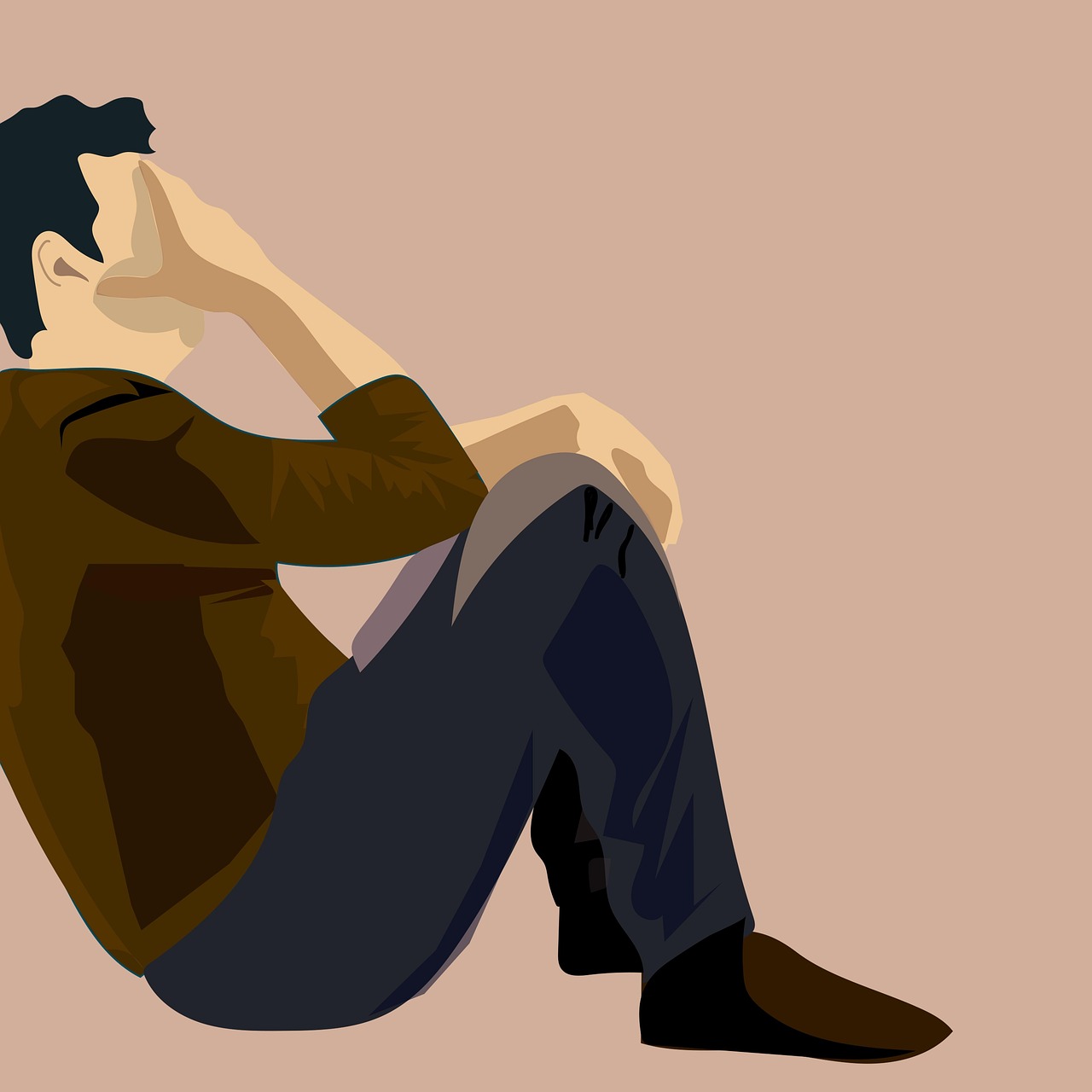
Why Fear May Be Making Your Pain Worse
Why Fear and Pain Are So Closely Connected
Pain isn’t just a physical sensation—it’s a protective experience created by your nervous system. And one of the biggest drivers of ongoing pain isfear.
Pain-related fear doesn’t usually show up as panic. More often, it looks like worry, uncertainty, or a loss of trust in your body. Many people develop this fear when they don’t fully understand why they’re in pain or when they receive conflicting explanations from healthcare providers.
Uncertainty is powerful. When you don’t know what’s causing your pain or how long it should last, your nervous system fills in the gaps—and it often assumes danger.
This fear is amplified by the language we hear in healthcare settings. Imaging reports, scary terminology, or alarming comments from well-meaning providers can unintentionally convince your brain that your body is fragile or damaged beyond repair.
When your brain senses danger, it does exactly what it’s designed to do: it protects you.
Is pain always a sign of damage?
No. Pain is a protective response from the nervous system and can persist even after tissues have healed.
Can fear make pain worse?
Yes. Fear activates the nervous system’s defense response, increasing sensitivity and pain perception.
Should I avoid movement if I’m in pain?
Avoidance can worsen pain over time. When movement is safe, it often helps calm the nervous system.
What is nervous system sensitization?
Sensitization occurs when the nervous system becomes overprotective and reacts strongly to normal sensations.